Bay Removals Has All Your Storage Needs Covered.
Container Storage
Our container storage service is one of the safest and most cost-effective storage solutions available. Ideal for customers relocating locally or interstate, our professional removalists carefully pack and load your furniture and personal belongings directly into one of our secure shipping containers.
Your container is then transported to our fully secured storage facility at 53 Shelley Road, Moruya, where it remains protected until you’re ready for delivery.
When the time comes, we’ll transport your container directly to your new home anywhere in Australia. Because your goods remain securely sealed inside the same container from collection to delivery, there is no unnecessary handling, reducing the risk of damage and providing complete peace of mind.
Perfect for:
- Moving house
- Interstate relocations
- Temporary storage during settlement delays
- Long-term furniture storage
- Travelling or extended holidays
Please note: Access to stored items is not available while containers are stored within our secure storage compound.
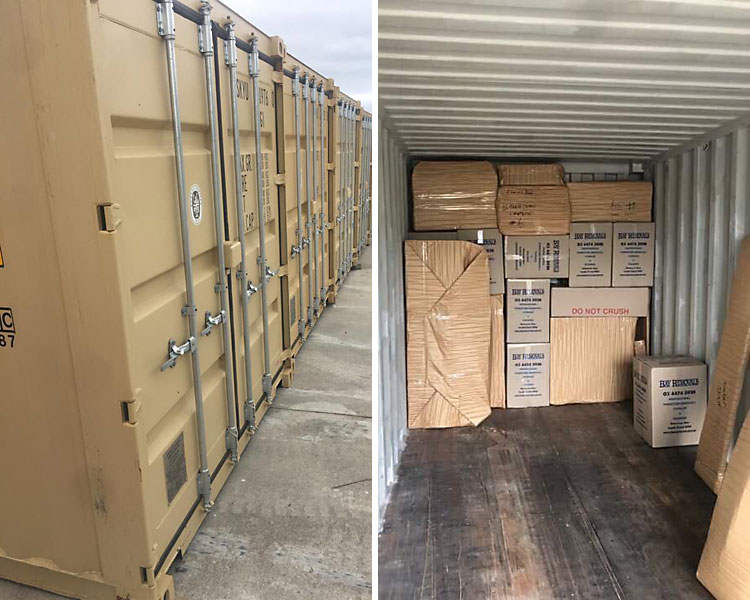
Self-storage containers
Need regular access to your belongings? Our self-storage containers provide a convenient and flexible solution.
Choose from 10ft or 20ft shipping containers to suit your storage requirements. Our secure storage facility allows easy access to your container during business hours, making it ideal for both personal and business storage needs.
Access Hours:
Monday to Friday, 8:00am – 4:00pm
Outside these hours, the facility remains securely locked to ensure the safety of all stored goods.
Ideal for:
- Household storage
- Business inventory
- Tools and equipment
- Seasonal items
- Archive and document storage
Off-Site Shipping Container Hire
Looking for secure storage at your own location? Our off-site container hire service allows you to have a shipping container delivered directly to your home, worksite, farm, or business premises.
Containers are delivered and collected using our tilt tray service, with affordable monthly hire options available.
Whether you’re undertaking a renovation, managing a construction project, or need additional storage space for your business, we have a container solution to suit.
Ideal for:
- Home renovations
- Building and construction sites
- Farm storage
- Business storage
- Event and project storage
Caravan & Boat Storage
Free up valuable space at home with our secure caravan and boat storage facility in Moruya.
Our outdoor storage area provides a safe and convenient location for storing caravans, boats, trailers, and recreational vehicles when they’re not in use. With easy access and secure premises, you can enjoy peace of mind knowing your investment is protected.
Suitable for:
- Caravans
- Boats
- Trailers
- Camper trailers
- Recreational vehicles
Storage spaces are limited and subject to availability. Contact our friendly team today to discuss your storage requirements and secure your space.
Why Choose Bay Removals for Storage?
With over 42 years of experience in removals, storage, shipping containers, and interstate relocations, Bay Removals is the trusted choice for secure storage solutions across the South Coast and beyond.
✓ Secure storage facilities
✓ Professional packing and loading services
✓ Flexible short and long-term storage options
✓ Shipping container sales and hire
✓ Caravan and boat storage available
✓ Local and interstate delivery services
✓ Family-owned and operated business